
The Check-In Reply That Took Fifteen Minutes Now Takes Two
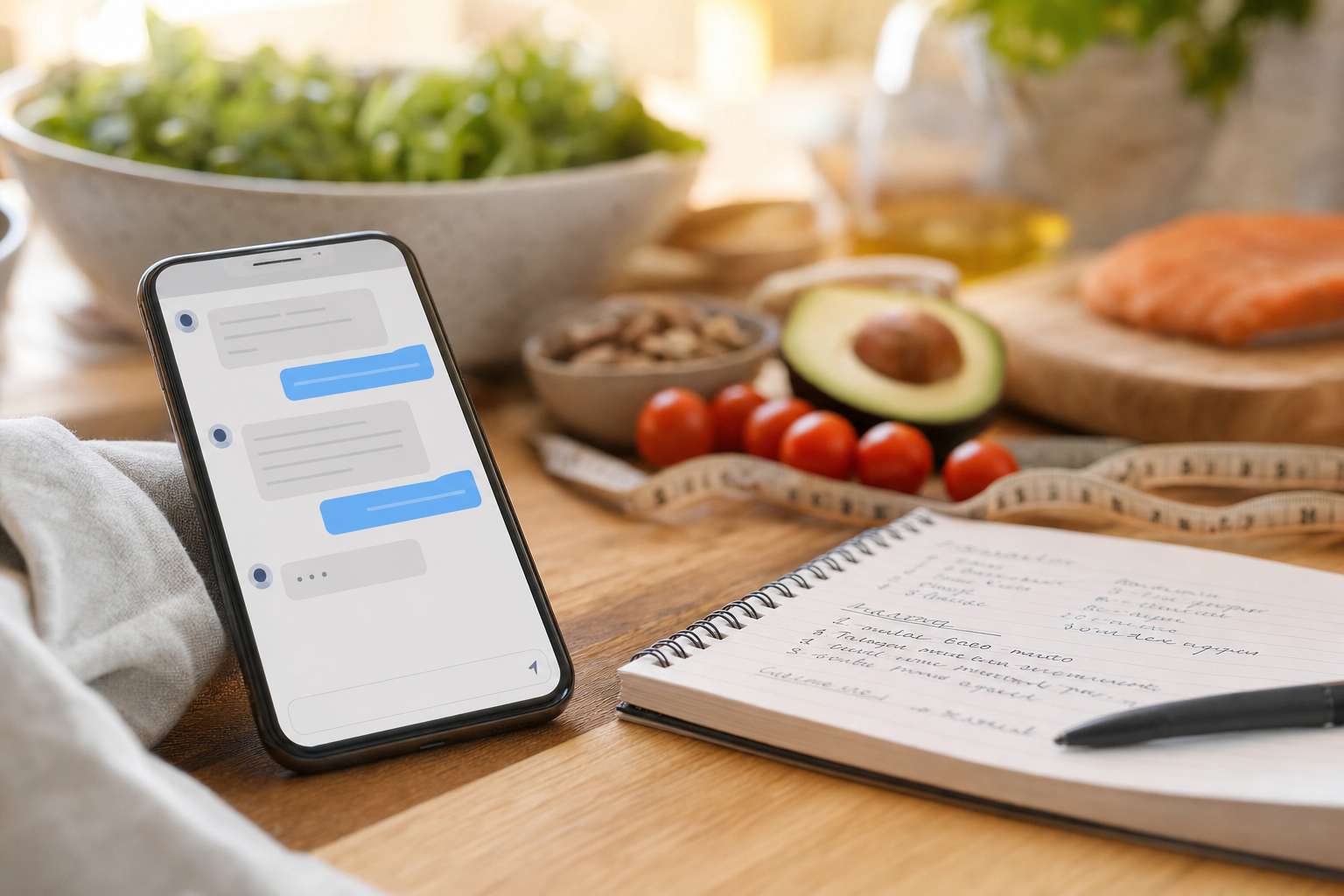
Sunday night, twelve client check-ins to write, and every single one starts the same way: open the food log, scroll through a week of meals, try to find something true and specific to say that isn't "great job this week!" Do that twelve times and the compliments start blurring into each other. Clients notice. A generic reply reads as generic, even when the coach behind it genuinely cares.
The check-in is the actual product for most online nutrition coaches. The meal plan gets sent once. The check-in happens every week, for as long as the client stays. That's also exactly why it's the first thing to get rushed when a coach's roster grows past ten or fifteen people.
The Draft a Nutrition Client Check-In Reply From Their Weekly Food Log prompt turns a pasted food log into a reply built from what the client actually did, in about the time it takes to paste and hit enter.
What it actually does differently
Most people's first instinct with an AI check-in prompt is to ask for "an encouraging message for my client." That produces exactly the blurry, interchangeable reply a rushed coach would write at 11pm. This prompt asks for four specific things instead: one real detail from the log, one pattern worth naming, one small adjustment, and a genuine closing question. Skip any of the four and the reply degrades back into filler.
The tone field matters more than it looks. A supportive-and-encouraging coach and a direct-and-no-nonsense coach shouldn't sound the same to the same client, and a client who's worked with the same coach for six months will notice immediately if week 24's reply suddenly reads like it came from someone else.
A worked example
A client logged five out of seven planned meals, skipped both scheduled workouts, and left a note: "traveled for work, ate out most nights, felt pretty off track." Weight is flat versus last week. The coach's tone is supportive and encouraging.
A rushed human reply: "No worries, travel happens! Get back on track this week, you've got this!" True, and also nothing. It could have gone to any client on the roster.
Run the same details through the prompt and the reply pulls out something real: flat weight during a travel week with five tracked meals is actually a decent result, not a failure to smooth over. It names the pattern (eating out consistently made hitting the workouts harder, which tracks) without turning it into a lecture, suggests one specific thing for next week (pick one meal a day to track loosely even while traveling, rather than an all-or-nothing plan), and closes with an actual question about what made this trip harder than a normal week. That question is what gets a client to write back instead of just reading and moving on.
Where the real value is
Fifteen minutes per client, times fifteen clients, is close to four hours a week just on check-ins. Compressing the drafting to a couple of minutes each doesn't remove the coach from the process; it means the coach reads the log once, pastes it in, and spends their remaining time on the two or three replies that need a real phone call instead of a message. Client retention in coaching businesses tracks almost entirely on whether people feel individually seen. A templated-sounding check-in is one of the fastest ways to lose that feeling, and it usually happens exactly when a coach is busiest and least able to notice it's happening.
How to use it
Paste in the client's actual food log summary, whatever progress numbers they reported, and pick the tone that actually matches how this specific coach talks to clients, not a generic "professional" tone. Read the output once before sending. It's built from real inputs, but the coach is still the one who knows if the client just went through a breakup or a promotion that the food log alone won't capture.
This is one of twelve new prompts published today, spanning nutrition coaching, Google Business Profile optimization, and video script writing. The full nutrition set, including a higher-protein recipe swap generator and a plain-language nutrition label explainer, is live now on Prompt-King.