
The Win-Back Email Arrived Two Weeks Too Late
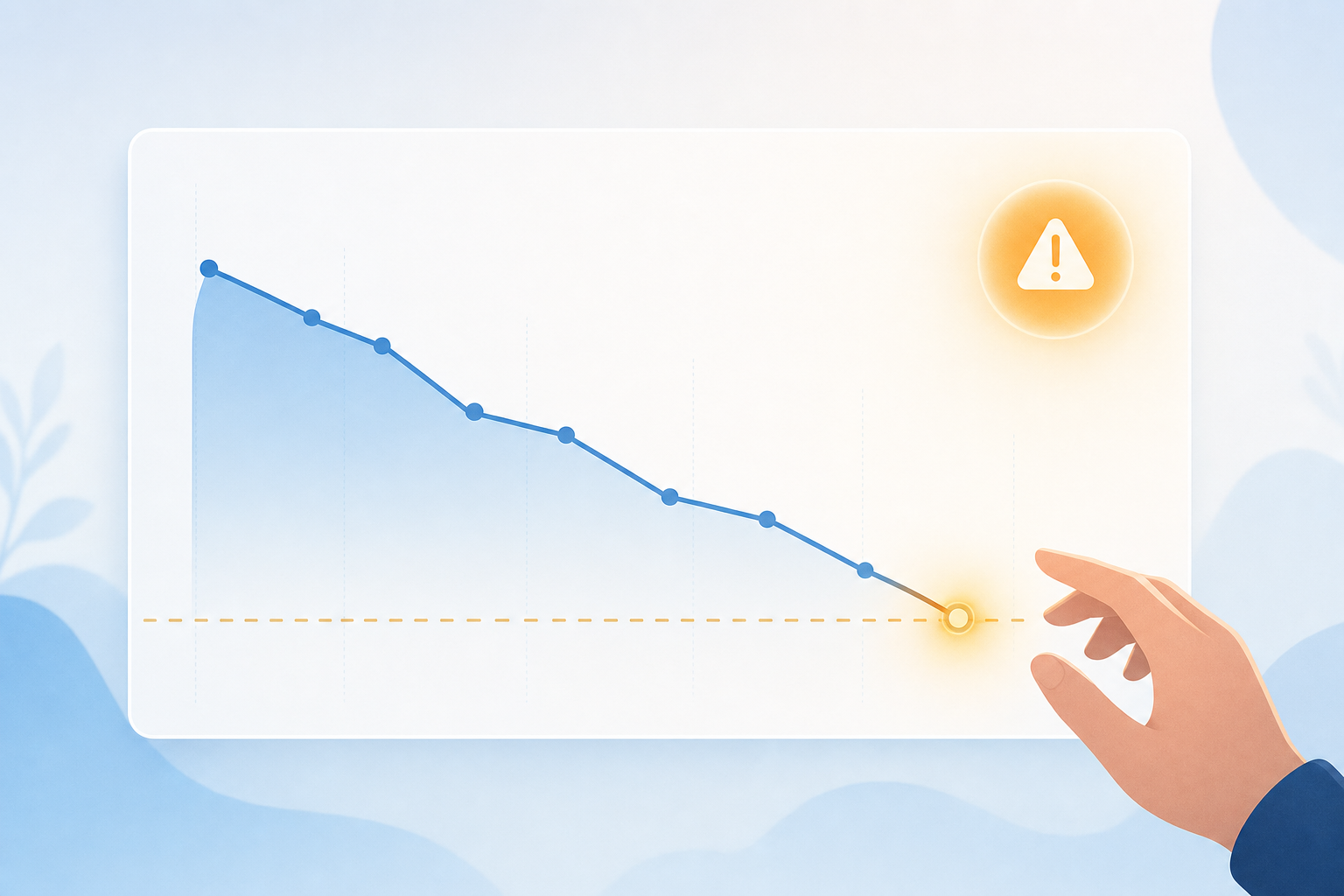
A customer's usage drops 40% over three weeks. No one on the account notices until the cancellation email hits the inbox. By then the win-back sequence kicks in, offers a discount, and gets ignored, because the decision was already made two weeks earlier.
Most retention tooling works backwards. It waits for the cancel button, then tries to undo it. The better moment to act is while the account is still live and the signal is still fresh.
That's the whole idea behind Spot At-Risk Customers and Draft Proactive Outreach Before They Cancel: turn a usage drop or a stalled feature into a genuine check-in before it turns into a cancellation.
The problem with reactive win-back
A win-back email arrives after someone's already made up their mind. It has to fight the sunk-cost of a decision already taken, and it usually leads with a discount, which tells the customer their loyalty is worth a coupon and nothing else.
A message sent while the account's still active hits earlier. It doesn't need to reverse a decision. It just needs to solve whatever's causing the drop-off before the person gets far enough to make one.
How the prompt works
You feed it two things: the product, and the specific signal you've spotted (usage down by some percentage, a key feature untouched for weeks, a support ticket that went nowhere, a renewal coming up with low engagement). It gives you back three pieces.
First, an internal risk note. Two or three sentences a customer success rep can read before reaching out, summarizing the signal and the likely cause. Second, the outreach message itself, built around whatever will actually help rather than a generic "just checking in." Third, one follow-up question for a call or reply, aimed at finding the real reason behind the signal instead of guessing at it.
A worked example
Say a project management tool notices a customer's team stopped using the reporting dashboard six weeks ago, right after using it weekly for the previous three months.
The risk note comes back short: reporting usage dropped to zero after a consistent pattern, most likely a workflow change on the customer's side, or the person who owned reporting left the team.
The outreach message doesn't mention cancellation or usage tracking. It says something closer to: "Noticed your team's reporting setup might need a refresh, happy to walk through what's changed if that'd help." One line, no guilt, no surveillance vibe.
The follow-up question for the call: "Did something change in who's pulling reports, or is the current setup missing something your team needs now?" That question does the actual diagnostic work a generic "everything okay?" never does.
Where the value actually sits
The time saved writing one outreach message isn't the point. The point is catching the moment while there's still something to fix. A discount offered after cancellation addresses the symptom. A specific question asked while the account is live can address the cause, and the cause is usually fixable.
It also changes how the message reads to the customer. "We noticed you haven't logged in" feels like being watched. "Here's a feature that solves the exact thing your usage pattern suggests you're stuck on" feels like being helped. Same data, completely different message.
How to use it
- Pull one at-risk account from whatever tool tracks usage, support tickets, or renewal dates, and note the specific signal, not a vague "seems disengaged."
- Drop the product and the signal into the prompt, and use the risk note to brief whoever's making the call.
- Send the outreach message while the account is still active, not after a cancellation notice arrives. Ask the follow-up question on the reply or the call, and actually use the answer to fix something.
Run it on the next account that shows a real drop, not every account with a slightly quiet week. Reactive win-back stays useful for the customers who slip through anyway. This is for catching the ones who don't have to.